
Reproductive Rights Resources Families Used
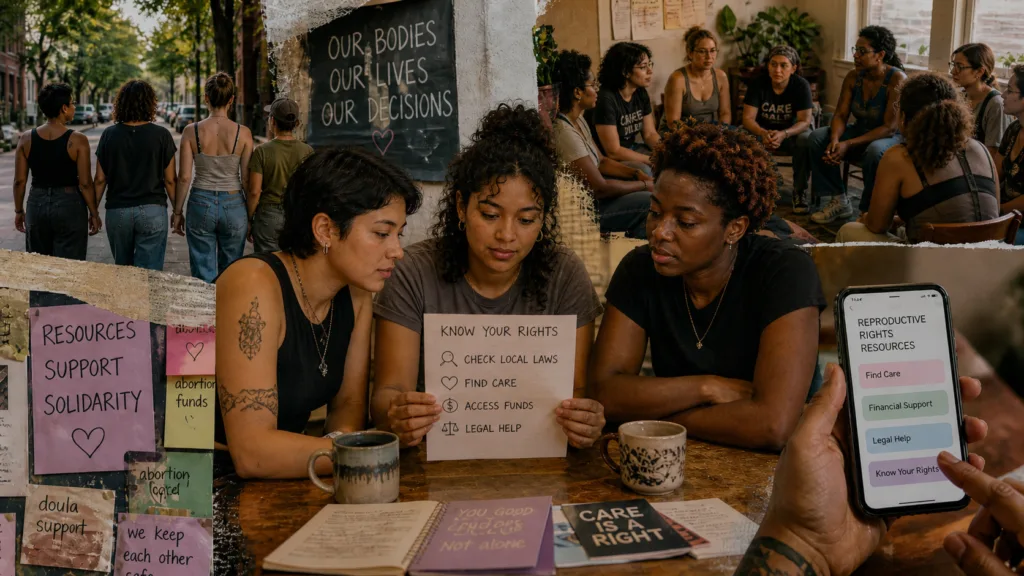
Reproductive rights resources often entered a family’s life when law, care, money, and worry had gathered around the same question. One person might have searched for a state law map, while a friend or sister looked for a provider, fund, or legal helpline. We had seen that the same search often carried two needs: clear legal information and practical support.
The Center for Reproductive Rights helped with the legal side of that story. It had worked as a legal advocacy organization that used litigation, policy work, and human rights law to protect reproductive rights worldwide. It had not usually provided abortion care, clinic appointments, funding, or individual legal advice. Its strongest public value came from maps, case trackers, policy resources, and legal explanations.
In this article:
- When Reproductive Rights Resources Gave Legal Clarity
- When Friends Checked Abortion Laws
- When Reproductive Rights Resources Led to Help
- When One First Step Mattered
As reproductive laws changed, people often needed a place to understand the legal landscape before another choice had been made. A mother might have wanted to know whether abortion was protected in her state. A student might have needed a country-level view for research. A friend might have wanted to understand a court case before helping someone find direct support.
This guide followed those different needs with one simple distinction. The Center for Reproductive Rights had helped people understand laws, rights, cases, and policy systems. Other organizations had helped with appointments, verified providers, abortion funds, travel support, and confidential legal questions. Together, these resources formed a shared map for families, friends, advocates, and communities facing difficult decisions.
A Shared Guide to Law, Care, and Help
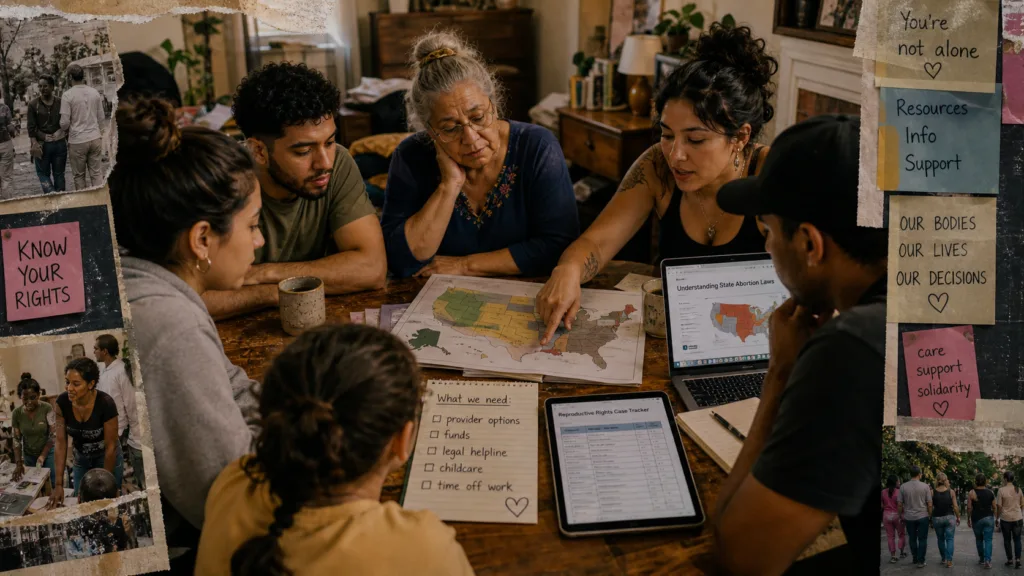
Reproductive rights resources had worked best when people understood which resource fit which need. The Center helped explain the law. Provider directories helped people find care. Abortion funds helped with costs, travel, lodging, childcare, and other barriers. Legal helplines helped when fear, confusion, pregnancy loss, self-managed abortion, or law enforcement contact had made the situation more serious.
When Reproductive Rights Resources Gave Legal Clarity
The Center for Reproductive Rights was best understood as a legal and policy resource. Its work had focused on courts, laws, human rights bodies, and policy systems that shaped reproductive healthcare access. That role mattered when a family needed to understand what the law said before looking for direct help. It gave people a legal starting point, not a clinic door.
The Center described its mission as using law to advance reproductive rights as fundamental human rights worldwide. Its work had lived in litigation, policy advocacy, human rights law, and public legal education. A sister or friend who visited the site for an appointment would not have found that service there. A person studying legal change, court action, or policy trends could have found useful guidance.
Its website included interactive maps, state and country law summaries, court case information, policy reports, and issue explainers. These tools helped people ask clearer questions about abortion protections, global abortion laws, and court cases affecting access. In many households, one person might have read a legal map while another wrote down direct-service options. That shared work gave the Center’s resources their practical meaning.
The Center’s Maps & Tools page gathered legal maps and public tools.
The Policy & Resources library included reports, fact sheets, legal analysis, and publications.
The Court Cases page tracked legal actions in national courts, United Nations committees, and regional human rights bodies.
The Center’s limits remained important. It did not usually provide abortion care, clinic appointments, funding, emergency legal support, or individual legal advice. When a worried person needed direct support, another resource usually had to enter the story.
When Friends Checked Abortion Laws
The Center’s abortion law maps had helped people understand legal status before taking another step. In the United States, the main tool was After Roe Fell: U.S. Abortion Laws by State. It showed whether abortion law in each state or territory was expanded, protected, not protected, hostile, or illegal. It also included state-specific explanations and had been updated as laws changed.
That map mattered because abortion access in the United States had depended heavily on state law and state court interpretation. The supplied source stated that 19 U.S. states had enacted total bans or severe abortion restrictions. A family trying to understand travel, privacy, clinic availability, or legal risk could not rely on general assumptions. State-level information often shaped the next practical conversation. The U.S. abortion law map was listed here.
For global research, the World’s Abortion Laws Map showed abortion law by country and territory. The Center noted that more than 60 countries and territories had liberalized abortion laws over the past 30 years, while only 4 had rolled back legality. That wider view helped journalists, students, advocates, and policy researchers compare laws across borders. It also placed each country’s law inside a larger human story. The global abortion law map was listed here.
For constitutional questions in the United States, the State Constitutions and Abortion Rights tool explained how state courts had treated abortion rights under state constitutions. This mattered because state constitutions and state courts had shaped abortion access after federal protection shifted. A student, advocate, family member, or community researcher could have used it to understand how legal protection had been argued. Still, the tool remained legal information, not medical advice or individual legal counsel. The state constitutional tool was listed here.
When Reproductive Rights Resources Led to Help
When a person needed care, funding, or direct legal support, the Center was not the main resource. Other organizations had been built for referrals, provider searches, abortion funds, logistical support, and confidential legal help. Families often had to use more than 1 resource because legal status and real access could differ. A map could explain the law, while a provider directory or fund could help with the next practical step.
Abortion Finder offered a directory of verified abortion service providers and support resources in the United States. It included provider search tools, funding information, travel and logistical support, legal support, medical guidance, and emotional support links. That kind of resource helped when the question had moved from legal research to care access. It connected people with practical options rather than broad legal background. Abortion Finder was listed here.
I Need An A also helped people find verified abortion providers, funding and support organizations, and state law information. Its search tool was designed for location-based abortion access information. In a family or friendship circle, that kind of tool could help someone compare nearby care options and support resources. It served a different role from a legal map. I Need An A was listed here.
The National Network of Abortion Funds connected people with abortion funds that may help with procedure costs, travel, lodging, childcare, and related barriers. The network included nearly 100 abortion funds. That support mattered because reproductive healthcare often involved more than a medical appointment. Costs, distance, childcare, and transportation had shaped access for many families. The National Network of Abortion Funds search tool was listed here.
The Repro Legal Helpline provided free and confidential legal services related to abortion, pregnancy loss, and birth. It could help with abortion laws, legal options, emergency abortion denial, judicial bypass, and pregnancy-related criminalization risks. When worry had grown around self-managed abortion, pregnancy loss, or contact from law enforcement, a confidential legal helpline carried special importance. It helped people understand legal risk in a more personal setting. The Repro Legal Helpline was listed here.
The Repro Legal Defense Fund provided support for people facing investigation, arrest, or prosecution related to self-managed abortion or pregnancy loss. Its support could include bail, legal fees, and related defense needs. This resource belonged to the most serious legal situations named in the supplied material. It showed how reproductive rights resources could extend from education to defense support. The Repro Legal Defense Fund was listed here.
When One First Step Mattered
The first trusted step depended on the person’s main need. Someone trying to understand current abortion law in a U.S. state often began with the Center’s After Roe Fell map. That legal starting point could then be paired with Abortion Finder or I Need An A for practical care options. This sequence helped separate legal status from real-world access.
Someone researching international abortion law often began with the Center’s World’s Abortion Laws Map and related fact sheets. That path fit journalists, students, advocates, and policy researchers who needed a country-level view. Their question was usually about law and policy, not an appointment. Still, each legal category had represented people, families, and communities affected by those laws.
Someone who needed an appointment often began with Abortion Finder, I Need An A, or a trusted clinic network. Those services had been designed to connect people with providers and support organizations. A friend helping with research might have used them alongside state law information. The care directory helped turn confusion into possible contacts.
Someone who needed help paying for care often began with the National Network of Abortion Funds. Local funds may have helped with procedure costs, travel, lodging, childcare, and other needs. For a parent, partner, friend, or sibling helping with planning, those supports could be central. They showed that access often depended on practical support as much as legal status.
Someone worried about legal risk often began with the Repro Legal Helpline. This was especially true when the concern involved self-managed abortion, pregnancy loss, emergency care denial, judicial bypass, or law enforcement contact. In those moments, fear had often made simple information feel hard to sort through. A confidential legal resource helped people understand options with greater care.
FAQs
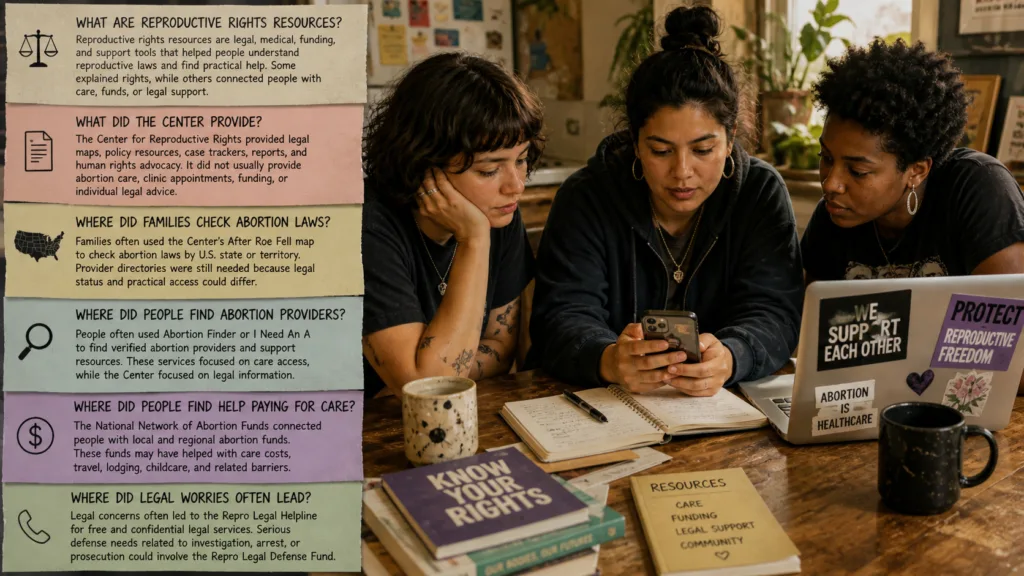
Reproductive rights resources are legal, medical, funding, and support tools that helped people understand reproductive laws and find practical help. Some explained rights, while others connected people with care, funds, or legal support.
The Center for Reproductive Rights provided legal maps, policy resources, case trackers, reports, and human rights advocacy. It did not usually provide abortion care, clinic appointments, funding, or individual legal advice.
Families often used the Center’s After Roe Fell map to check abortion laws by U.S. state or territory. Provider directories were still needed because legal status and practical access could differ.
People often used Abortion Finder or I Need An A to find verified abortion providers and support resources. These services focused on care access, while the Center focused on legal information.
The National Network of Abortion Funds connected people with local and regional abortion funds. These funds may have helped with care costs, travel, lodging, childcare, and related barriers.
Legal concerns often led to the Repro Legal Helpline for free and confidential legal services. Serious defense needs related to investigation, arrest, or prosecution could involve the Repro Legal Defense Fund.
What These Resources Helped People Understand
A careful search often began with legal maps, then continued through provider directories, abortion funds, or confidential legal helplines when care, cost, or legal risk shaped the next step.
More on Center for Reproductive Rights
Explore Center for Reproductive Rights from every angle: