
The Marine Mammal Center: What Marine Mammal Rescue Reveals About Ocean Health
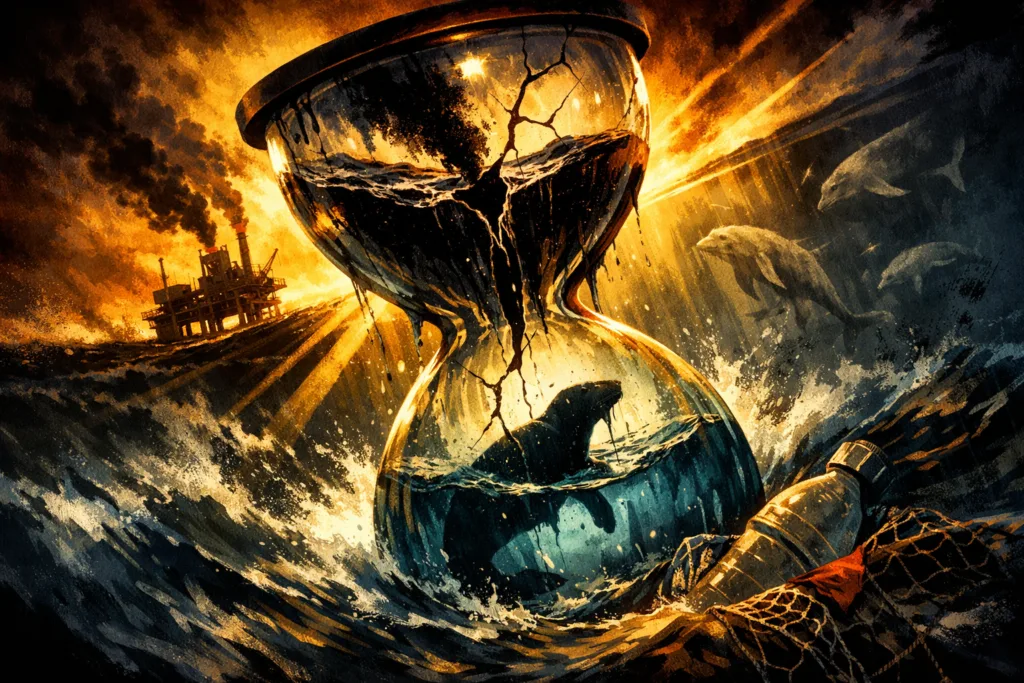
You do not get to look at The Marine Mammal Center and pretend this is only a nice wildlife charity. You are looking at a system built because the ocean keeps throwing sick, starving, entangled, poisoned, and injured marine mammals onto shore. That is not random, and it is not harmless. It is a damn warning.
In this article
- The Marine Mammal Center does not just save animals. It forces you to see what is wrecking the ocean.
- Marine mammal rescue is not a comforting side story. It is triage inside an ocean already under strain.
- Without research and education, you keep cleaning up the same human-made mess and calling it care.
- The Marine Mammal Center in Hawaii shows you exactly how species survival stays fragile and brutally non-optional.
The Marine Mammal Center says its mission is to advance ocean health through rescue and rehabilitation, research, and education. You should not read that as polished nonprofit packaging. You should read it as one connected response to a marine system that keeps sending evidence to shore. A stranded sea lion is not only a patient. It is a signal that something is going wrong in the water.
NOAA treats marine mammal strandings as part of a national response and monitoring network because these animals can reflect pressure tied to ocean conditions, climate, pollution, human disturbance, and public health. That matters because people love to isolate visible suffering from the system that produced it. They want the sad seal photo without the harder truth behind it. The Marine Mammal Center does the opposite. It connects the body on the beach to the damage in the ecosystem.
That is why this bigger story matters. You are not just looking at rescue. You are looking at how rescue, marine mammal rehabilitation, research, education, and species conservation lock together when denial stops being useful. This piece breaks down what The Marine Mammal Center does, how response works, why research and public guidance matter, and why the Hawaii program shows the sharpest version of the stakes.
The Marine Mammal Center turns stranded animals into evidence you cannot keep ignoring
A lot of institutions soften the truth until people can consume it without changing anything. The Marine Mammal Center does not work that way when you read its model honestly. It rescues the animal, studies the cause, teaches the public, and pushes the facts back into the wider conversation about ocean health. That is why this work matters far beyond one hospital.
The Marine Mammal Center does not just save animals. It forces you to see what is wrecking the ocean.
The Marine Mammal Center does not describe itself as only a wildlife hospital, and that matters immediately. Its mission language ties marine mammal rescue and rehabilitation, research, and education into one system. You should not split those apart just because rescue feels easier to watch. The animal arrives first, but the bigger story arrives with it.
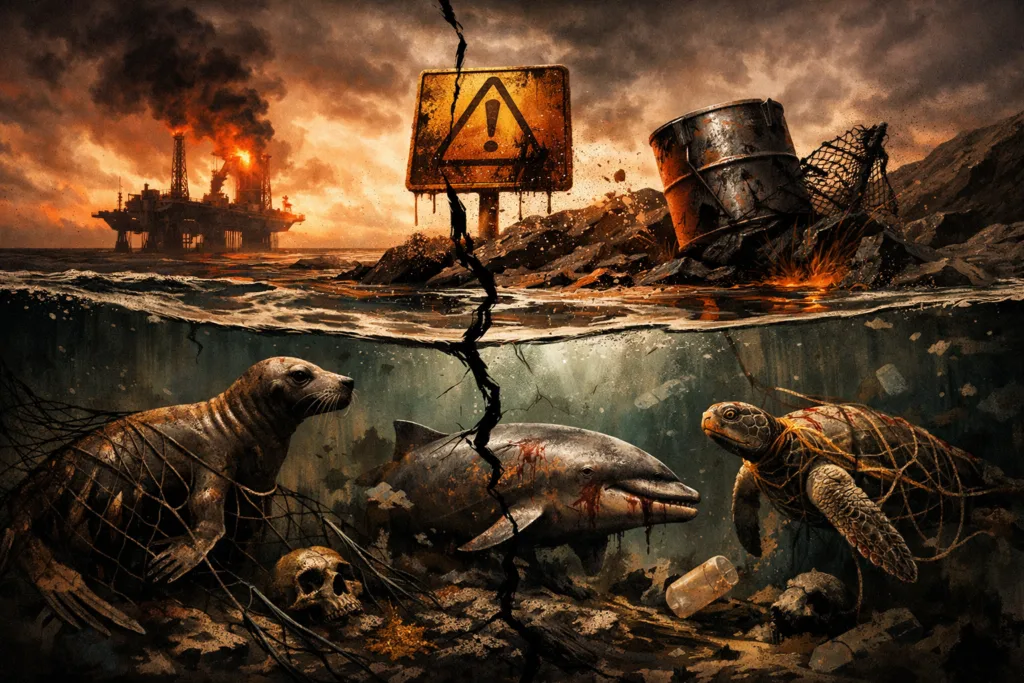
Every sick, injured, or orphaned patient can carry evidence of harmful algal blooms, infectious disease, plastic exposure, vessel strikes, entanglement, or food stress. That is not soft symbolism. That is damage written onto living bodies in plain sight. People can call the case unfortunate, but they cannot honestly call it meaningless.
The organization also describes itself as the world’s largest marine mammal hospital and traces its work back to 1975. That history matters because long records expose patterns that short attention spans never will. One stranded sea lion can look isolated. Decades of case records, lab work, and field response show when a region is under repeated strain and when humans keep refusing to deal with the cause.
That is the real force of The Marine Mammal Center. It does not stop at saving one animal and sending everyone home feeling clean. It uses the rescue to expose what the ocean is signaling right now. You are supposed to learn from the patient, not consume the patient as a brief emotional event.
Marine mammal rescue is not a comforting side story. It is triage inside an ocean already under strain.
People often treat wildlife rescue like occasional heroism dropped into an otherwise normal system. That story falls apart fast. The Center organizes response around rescue, rehabilitation, release, and research, and every step depends on trained responders, veterinary judgment, and federal coordination. This is not random charity work. It is structured emergency response inside ongoing ecological stress.
NOAA’s stranding network authorizes trained organizations to assess distressed marine mammals, decide whether intervention is necessary, and document what those cases reveal. The public’s role is usually much simpler and much less glamorous. Report the animal, keep your distance, and stop making the situation worse. People who rush in to feed, move, or crowd a marine mammal are not helping. They are adding risk.
In 2024, The Marine Mammal Center rescued 941 marine mammals. That comes out to roughly two to three animals every day. You do not get numbers like that from a stable, untroubled system. You get them when the emergencies keep coming because the pressures keep coming.
Once admitted, the goal is not permanent captivity and not public display. The goal is to stabilize the animal, treat the underlying problem, rebuild enough strength for survival, and release it when possible. That can mean intensive feeding plans, trauma treatment, toxin monitoring for domoic acid, or care for animals separated from their mothers. Marine mammal rehabilitation is medical work, but it is also real-time evidence collection.
The pattern matters as much as the individual case. Similar symptoms across multiple patients can point to a harmful algal bloom. Repeated injuries can expose a human-caused threat. Rising numbers of malnourished pups can signal prey stress in the surrounding ecosystem. That means marine mammal rescue is not only compassionate response. It is a field report from an ocean that keeps telling the truth while people try not to hear it.
Without research and education, you keep cleaning up the same human-made mess and calling it care.
Rescue alone does not solve the problem, and you should not let anyone sell that lie to you. Rescue addresses the immediate crisis. Research turns a single case into a pattern, and education gives humans a chance to stop repeating the behavior that keeps feeding the crisis. Without those two pieces, the same damage just keeps cycling through more bodies.
NOAA supports that broader logic by describing marine mammals as indicators of ocean health. These animals live in environments people use, depend on food webs people disrupt, and often show visible signs when something is breaking. That is why the Center keeps pushing public interpretation and training instead of hiding behind technical work. People need the message in language they cannot dodge.
A basic example makes the point hard and clear. The Center advises beachgoers to stay at least 150 feet away from marine mammals, about half a football field. That distance is not some polite suggestion. A seal that looks calm may be exhausted, sick, stressed, or burning critical energy just trying to rest while humans crowd in and act entitled to access.
The education work goes further than beach etiquette. In 2024 impact reporting, the Center said it inspired more than 5,800 students and teachers through formal programs and trained more than 1,000 participants through climate communication efforts. Those numbers matter because they show the Center is not only responding to harm after the fact. It is trying to build enough public understanding that fewer humans create the next preventable case.
Research identifies disease pathways, toxin exposure, mortality trends, and the pressures shaping marine mammal survival. Education pushes those findings into public behavior, reporting practices, and community understanding. Without both, rescue becomes a brutal loop. Humans damage the system, animals pay first, responders clean up the mess, and then people act shocked when it happens again.
The Marine Mammal Center in Hawaii shows you exactly how species survival stays fragile and brutally non-optional.
The Hawaii program strips away any remaining illusion that this work is only general wildlife care. In California, people may know the Center through stranded sea lions, elephant seals, or hotline guidance. In Hawaii, the model becomes sharper and harsher. The Marine Mammal Center says it is the lead responder for Hawaiian monk seals on Hawaii Island and operates Ke Kai Ola, its hospital and conservation program dedicated to this endangered species.
That changes the stakes immediately. This is not broad rescue with a conservation gloss. This is targeted intervention for one of the most endangered seal species in the world. NOAA says the Hawaiian monk seal population is increasing, but it remains only about one-third of its historic size. That means recovery exists, but safety does not.
One statistic makes the point impossible to hide. Nearly 30 percent of the roughly 1,600 Hawaiian monk seals alive today are alive because of NOAA and partner conservation efforts, including work by the Center. That number should cut through every lazy assumption about conservation being secondary. It is not secondary. It is directly stitched into whether these animals remain alive at all.
The Hawaii program includes emergency response, veterinary treatment, outreach to beachgoers, community education, and guidance around safer behavior near wildlife and fishing gear. That mix matters because avoidable harm still threatens an already vulnerable population. People do not get to pretend their behavior is neutral here. It is either protective or damaging.
This is the clearest expression of the Center’s overall model. Animal care opens the door, but science, public cooperation, and sustained intervention decide whether recovery holds. The Marine Mammal Center in Hawaii shows what species conservation actually looks like when the margin for error stays thin and the consequences of human carelessness stay real.
FAQs
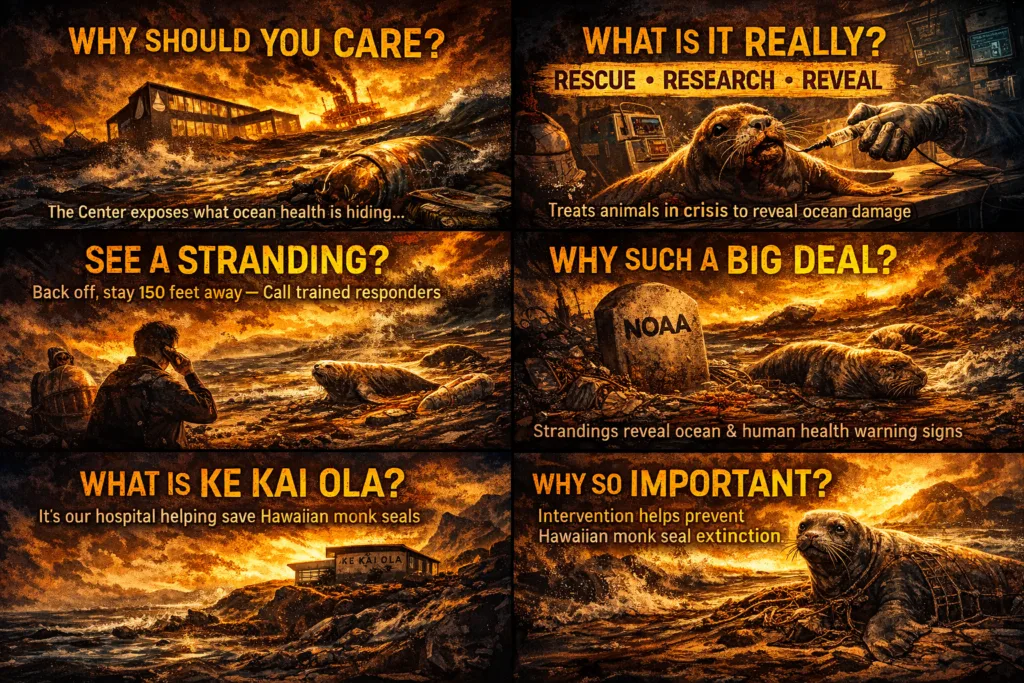
Because The Marine Mammal Center exposes what ocean health is failing to hide. You are not outside that story when climate pressure, pollution, food stress, and public behavior shape the same marine system.
It is a nonprofit focused on marine mammal rescue and rehabilitation, research, and education. More bluntly, it treats animals in crisis while using those cases to reveal broader ocean damage.
Back off, do not feed it, do not move it, and contact trained responders. The Center says stay at least 150 feet away because your curiosity can drain energy the animal does not have.
Because strandings can reveal disease outbreaks, toxin exposure, injury trends, and wider environmental stress. NOAA treats them as indicators of ocean, climate, and human health, not random bad luck.
Ke Kai Ola is The Marine Mammal Center’s Hawaiian monk seal hospital and conservation program in Kona. It matters because endangered species recovery gets real there through treatment, response, education, and sustained intervention.
Because the Hawaiian monk seal population remains small and fragile even as it increases. When nearly 30 percent of the roughly 1,600 seals alive today exist because of NOAA and partner conservation work, continued intervention is not optional.
The Marine Mammal Center leaves you with no excuse to miss the bigger ocean failure
Visit The Marine Mammal Center, save the correct California or Hawaii hotline, and stop showing up to beaches ignorant of the damage marine mammals are already carrying.