

A Structured Analysis of the National Women’s Law Center: Functions, Policy Scope, and Gender Justice Resources
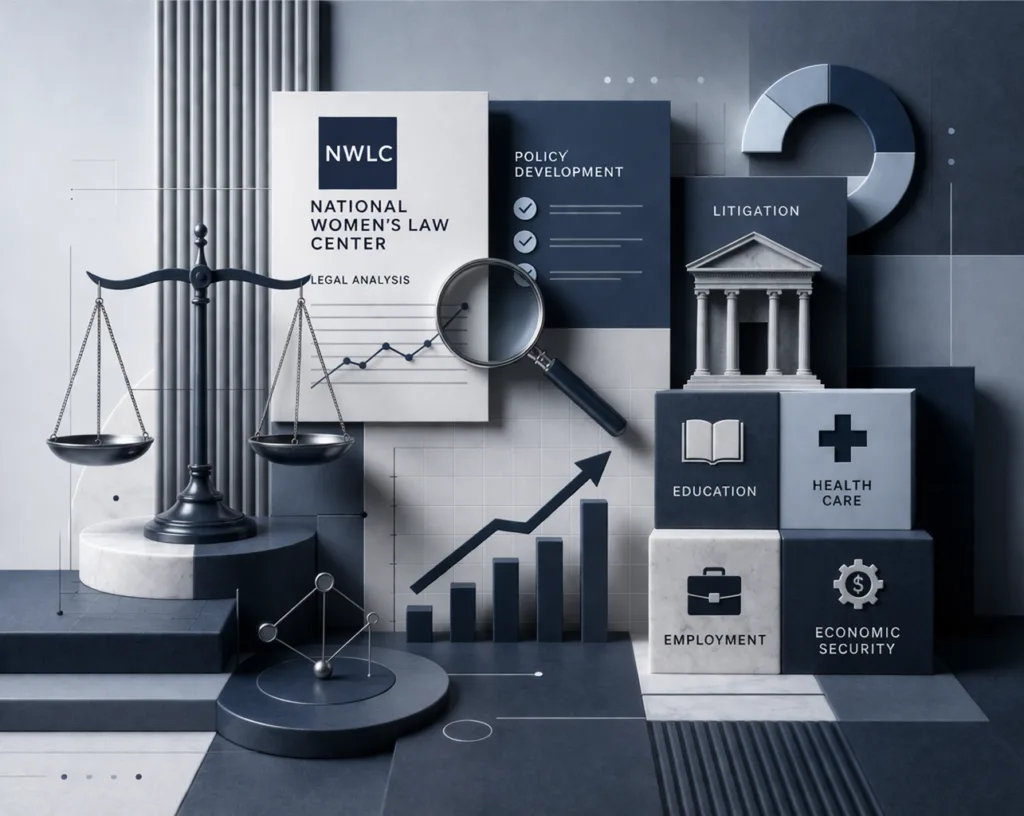
The National Women’s Law Center, or NWLC, is an advocacy organization that advances gender justice through legal analysis, policy development, litigation, and public education. The organization addresses structural barriers affecting women, families, and marginalized communities across employment, education, health care, and economic security. An informed review of NWLC helps readers identify relevant protections, understand available resources, and assess how systemic advocacy influences everyday conditions.
- The Institutional Role of NWLC and Its Public Significance
- How NWLC Contributes to Rights Protection
- Primary Policy Areas That Affect Daily Conditions
- Methods for Accessing Resources and Participating in Advocacy
This guide provides a structured examination of the National Women’s Law Center and its principal methods of operation. The discussion explains the organization’s legal, policy, and educational functions, identifies the main issue areas it addresses, and outlines the practical value of its public resources. In addition, the guide clarifies how individuals and communities can use available tools, review support pathways, and participate in broader advocacy efforts.
How the National Women’s Law Center Produces Practical Public Benefit
The National Women’s Law Center produces practical public benefit by strengthening rights protections, supporting access to opportunity, and advocating for institutional reform. Its work affects recurring issues such as pay equity, workplace treatment, health care access, child care policy, and educational fairness. As a result, the organization’s efforts influence both legal standards and the daily conditions that shape economic security and personal stability.
Primary Functions of the National Women’s Law Center for Individuals and Communities
The National Women’s Law Center advances gender justice by addressing barriers that affect women and families across several areas of public life. Its work includes the analysis of employment practices, the promotion of fair pay standards, the defense of access to health care, and the support of equal treatment in education and the workplace. These activities strengthen legal protections and improve the policy environment surrounding work, caregiving, health, and long-term security. Therefore, a clear understanding of the organization’s mission helps readers connect structural advocacy with practical rights protection.
How NWLC Uses Legal Strategy, Research, and Policy Development to Strengthen Protections
NWLC uses several coordinated tools to influence laws, institutions, and enforcement standards. These tools include litigation, policy advocacy, legislative analysis, coalition building, and research-based public education. Through court action and engagement with lawmakers, the organization works to improve standards related to economic security, workplace fairness, health access, and family support systems. In addition, the research function translates complex legal and policy questions into accessible public information. This process shows how systemic reform can produce direct effects for individuals affected by discrimination, exclusion, or restricted access to opportunity.
Key Policy Areas Addressed by NWLC That Influence Daily Conditions
NWLC focuses on several interconnected policy areas, including workplace rights, child care, health care, education, and economic security. Each area relates to recurring social and financial conditions, such as wage disparity, unequal access to affordable care, barriers to educational opportunity, and limited workplace protections. Because these issues often overlap, the organization uses a cross-sector framework rather than treating each issue in isolation. This broad approach supports greater stability, access, and fairness for individuals, families, and communities facing structural barriers.
How to Access NWLC Resources, Information, and Support Pathways
NWLC provides access to information, advocacy tools, campaign materials, and support pathways through its public website and related initiatives. Available resources may include policy explainers, issue summaries, action guides, and connections to programs designed to assist individuals facing workplace harassment or discrimination, including the TIME’S UP Legal Defense Fund. These materials help users understand rights, review available options, and identify relevant next steps in difficult situations. In addition, participation in campaigns or resource sharing can support broader community-level advocacy and institutional accountability.
FAQs
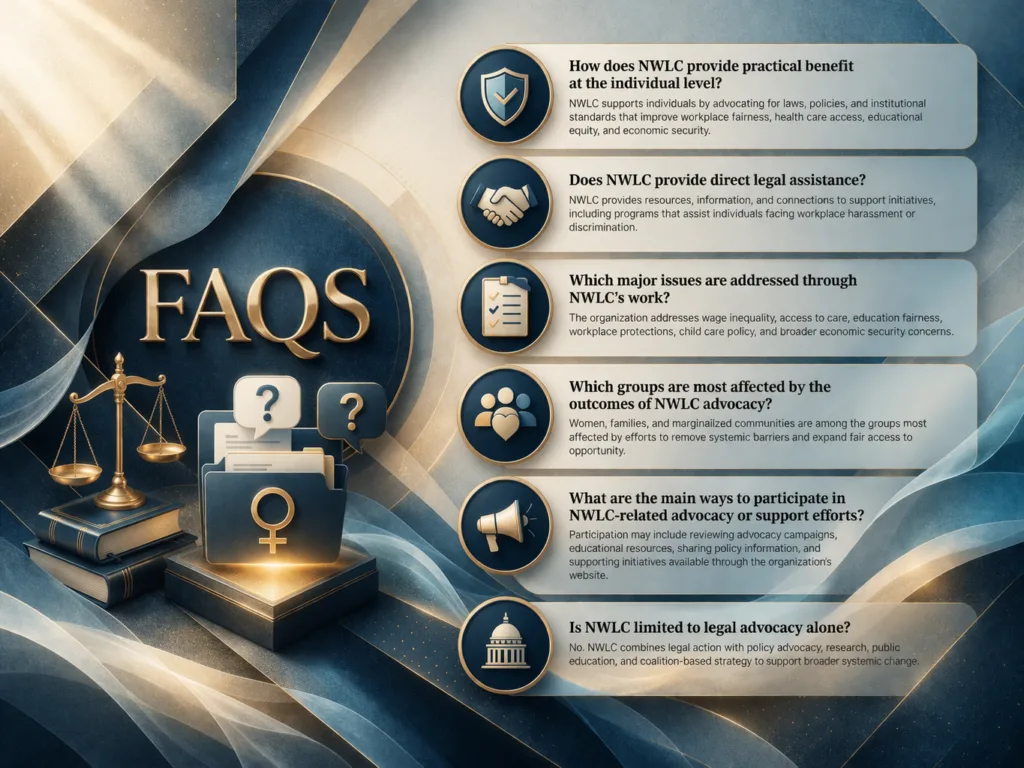
NWLC supports individuals by advocating for laws, policies, and institutional standards that improve workplace fairness, health care access, educational equity, and economic security.
NWLC provides resources, information, and connections to support initiatives, including programs that assist individuals facing workplace harassment or discrimination.
The organization addresses wage inequality, access to care, education fairness, workplace protections, child care policy, and broader economic security concerns.
Women, families, and marginalized communities are among the groups most affected by efforts to remove systemic barriers and expand fair access to opportunity.
Participation may include reviewing advocacy campaigns, using educational resources, sharing policy information, and supporting initiatives available through the organization’s website.
No. NWLC combines legal action with policy advocacy, research, public education, and coalition-based strategy to support broader systemic change.
A Practical Framework for Engagement With Gender Justice Resources
Review the National Women’s Law Center resources to understand relevant rights, support pathways, and advocacy opportunities.